FOR IMMEDIATE RELEASE
Apr 2, 2025
Contact: Mark Green | mgreen@calwild.org | 707.318.8959
“If Congress moves forward with a budget that sells off our public lands to give billionaires tax cuts, they will take away nature, jobs and opportunities from all of us. That is completely unacceptable.”
Washington, D.C. – A federal budget proposal could sell off public lands across the U.S., and California’s most iconic wild places may be on the chopping block.
E&E News reported that lawmakers in Washington are considering selling federally owned lands as a way to generate revenue for their budget that primarily gives tax cuts to billionaires—but at the cost of selling off lands that currently generate tens of billions of dollars for California’s economy.
This federal budget proposal could directly impact the 47.8 million acres of California’s national forests and lands managed by the Bureau of Land Management (BLM), especially areas near world-famous national parks. These large-scale selloffs could take away public access, recreational opportunities, critically important habitat, cultural and historical resources, clean water sources and will result in the loss of billions in revenue associated with these places.
California’s public lands are already feeling the squeeze of lost federal employees that care for public lands many Californians and visitors will visit for their summer vacations. In fact, KTLA reports that thousands of California national forest campsites may close this summer amid federal budget freeze. If this selloff goes through as part of the budget, those places could be off-limits for good.
Lands at Risk in California Could Include:
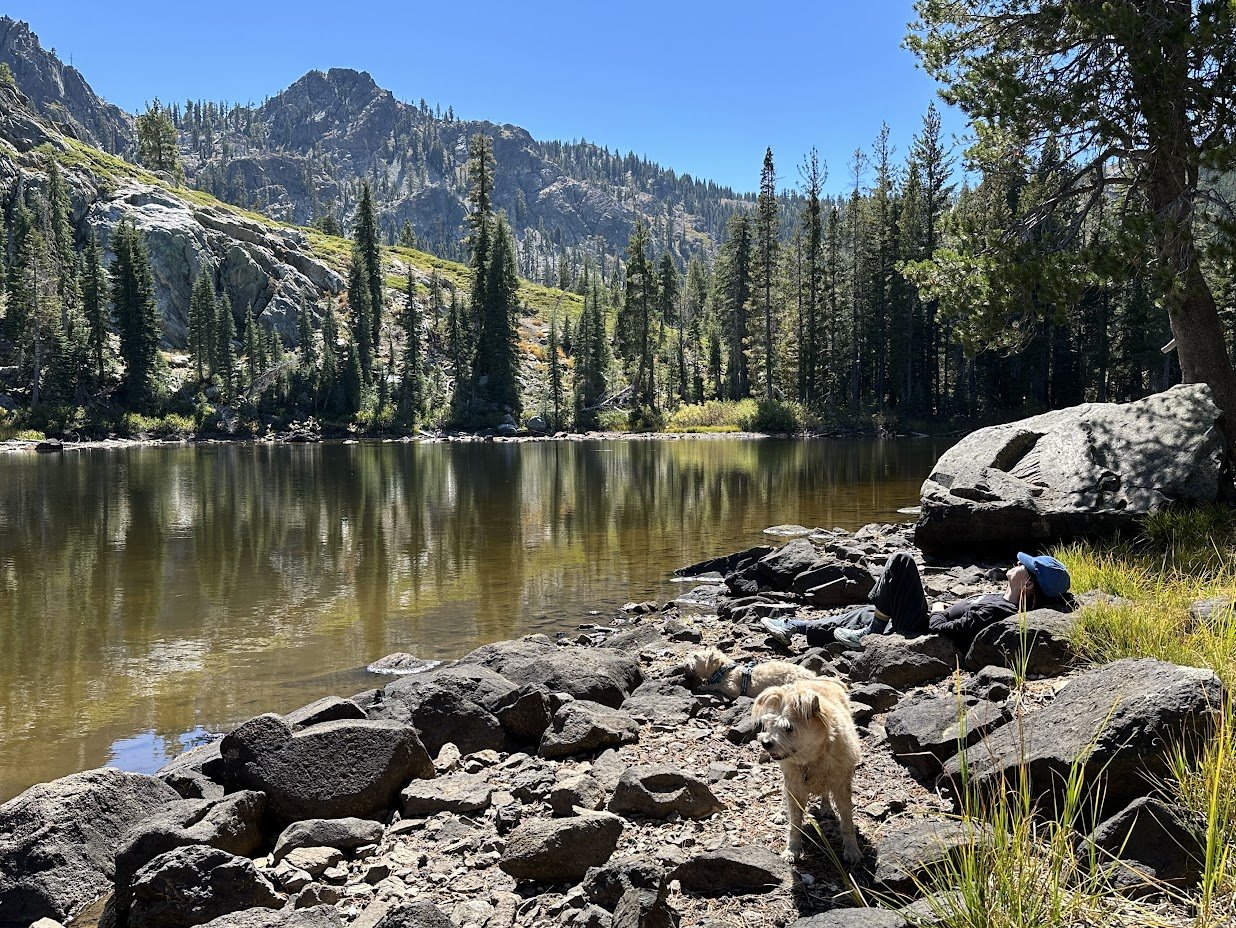
- Tahoe, Mammoth and other Sierra Nevada Public Lands: Gateway communities like Mammoth Lakes, South Lake Tahoe, and Yosemite’s outskirts could see land sales that push out public access and destroy wildlife habitat and connectivity.
- Desert lands in the Great Basin, San Joaquin, Mojave, and Colorado Deserts: Special places such as the Bodie Hills, Conglomerate Mesa, Joaquin Rocks, and places adjacent to Joshua Tree and Death Valley National Parks. Land sales could lead to more mining, energy extraction, or commercial development around fragile desert ecosystems.
- King Range National Conservation Area and other Coastal BLM Lands: Public beaches and coastal BLM lands such as the King Range National Conservation Area and California Coastal National Monument could be destroyed and public access denied to some of the last wild coastlines in California and destroy this habitat.
Increased fire risk and higher taxes: Selling off our public lands would increase fire risks in California and elsewhere in the west by allowing poorly planned expansion to be developed even further into wildlands, making the structures even more susceptible to wildfire destruction, further stressing water resources. It would also create tremendous financial burdens for counties that would have to take on fire protection for privatized lands that are currently managed by the US Forest Service and Bureau of Land Management, leading to higher local taxes.
Rural communities will be hardest hit. California’s $92 billion outdoor recreation economy depends on public lands for hiking, climbing, fishing, hunting, and tourism, mostly spent in small, rural communities near public lands. Any budget that cuts billions in revenue from our economy and risks hundreds of thousands of jobs shows no concern for Californians. It will take away money from local businesses that rely on our public lands, threaten California’s vibrant tourism economy more broadly, and forever damage our way of life in California.
Statement by Mark Green, Executive Director of CalWild:
“We call on California’s members of Congress to step up for their constituents and insist that public lands selloffs not be included in budget reconciliation. They must protect our public lands, our economy, and the places we all love. If Congress moves forward with a budget that sells off public lands, they will take away nature, jobs and opportunities, and our heritage from all of us. That is completely unacceptable.”